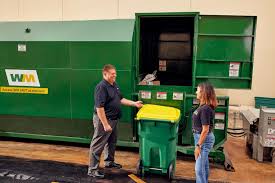
Behind every well-maintained business is a collection of everyday responsibilities that rarely receive much recognition. Waste disposal is certainly one of them. Customers might admire a beautifully arranged storefront or appreciate a spotless restaurant, but they probably don’t think about the work involved in keeping those spaces clean.
For business owners, finding reliable business waste management solutions can help reduce unnecessary expenses, improve workplace organization, and prevent everyday disposal problems from becoming more serious concerns.
The challenge is that waste requirements aren’t always predictable. A sudden increase in customers, unexpected inventory deliveries, or a commercial renovation can quickly overwhelm existing disposal arrangements.
Having a practical waste management strategy makes these situations easier to handle without disrupting normal operations.
Understanding How Much Waste Your Business Really Produces
Many businesses continue using the same waste collection arrangements for years without considering whether their requirements have changed.
Perhaps your company started with five employees and now has twenty. Maybe your restaurant has introduced delivery services, resulting in considerably more packaging waste.
These changes can gradually increase disposal requirements.
Spend a week observing how quickly your containers fill and which materials occupy the most space. You might discover that cardboard packaging accounts for a significant portion of your garbage or that certain days consistently generate more waste than others.
This information provides a useful starting point when reviewing collection arrangements.
Rather than paying for additional capacity immediately, consider whether improved waste separation or changes to collection frequency could address the problem more economically.
Choosing Dumpster Rentals That Match Your Operations
Different commercial properties require different waste containers. A small professional office probably doesn’t need the same disposal capacity as a supermarket, manufacturing facility, or busy hotel.
Dependable commercial dumpster rental services can help businesses manage varying waste volumes through appropriately sized containers and collection arrangements that accommodate operational requirements.
Smaller dumpsters may suit establishments producing modest amounts of everyday garbage. Larger containers are generally more practical for businesses with higher disposal demands.
Temporary roll-off containers can also be useful during commercial renovations, property cleanouts, and inventory removal projects.
Before choosing a container, consider available placement space, waste characteristics, and collection vehicle accessibility.
A dumpster should make everyday operations easier, not interfere with parking, deliveries, or employee access.
Taking these practical details into account can prevent unnecessary complications later.
Why Collection Schedules Deserve More Attention
Container capacity is only one part of effective waste management. How frequently garbage is collected matters just as much.
Reliable commercial garbage collection helps businesses maintain manageable waste levels, reduce unwanted accumulation, and establish predictable disposal routines.
Consider a restaurant that experiences its busiest periods from Friday evening through Sunday. A collection schedule that doesn’t account for weekend demand may leave employees struggling with overflowing containers.
Meanwhile, an office building producing mostly dry waste might require fewer collections.
The ideal arrangement depends on the volume and characteristics of the materials being discarded.
Discuss collection timing with your provider, particularly if your business has unusual operating hours or seasonal fluctuations.
Sometimes, adjusting pickup frequency is more effective than investing in a larger container.
Creating a Cleaner and More Professional Workspace
Nobody enjoys working around overflowing garbage containers or scattered packaging materials. Besides being unpleasant, poorly managed disposal areas can create unnecessary obstacles for employees and delivery personnel.
Maintaining organized waste storage areas begins with straightforward habits.
Encourage employees to place garbage inside designated containers, keep lids closed where appropriate, and avoid leaving discarded materials beside dumpsters.
Inspect disposal areas regularly for loose debris, damaged equipment, or pest activity.
For customer-facing businesses, these practices also contribute to a better overall impression.
Imagine visiting a restaurant with beautifully decorated interiors but neglected garbage containers near its entrance. That small detail could influence how you perceive the entire establishment.
Cleanliness extends beyond the spaces customers spend most of their time in.
Reducing Waste Before It Becomes a Disposal Expense
One overlooked approach to waste management is preventing unnecessary garbage from being generated in the first place.
Retailers can review packaging practices, restaurants can improve inventory planning, and offices can reduce unnecessary printing.
Separating accepted recyclable materials may also help businesses make better use of their existing dumpster capacity.
Cardboard, certain plastics, metals, and other materials may be recyclable depending on available local programs.
Provide clearly labeled containers and explain disposal procedures to employees. When recycling is convenient, people are generally more likely to participate.
Special materials such as batteries, chemicals, and electronic equipment may require separate handling.
Thoughtful disposal habits aren’t necessarily complicated. Often, they simply involve making small improvements to routines that employees already follow.
Understanding Waste Collection Costs Before Signing an Agreement
Every business needs to manage recurring operating expenses carefully, and waste services are no exception.
Before entering a rental or collection agreement, ask about container charges, included pickups, excess waste fees, and additional service expenses.
Find out whether collection arrangements can be adjusted during particularly busy periods.
It’s also worth understanding what happens when a scheduled pickup cannot be completed because access is blocked.
A transparent agreement makes budgeting easier and helps prevent unexpected charges.
Rather than focusing exclusively on the lowest advertised price, consider the overall value of reliable collection, suitable equipment, and responsive customer support.
Making Waste Management One Less Business Concern
Effective waste management should fit naturally into your everyday business activities.
By understanding disposal requirements, choosing suitable containers, and establishing reliable collection schedules, businesses can create cleaner and more organized working environments.
Regularly reviewing these arrangements also helps ensure that disposal services remain appropriate as operations change.
Running a business already involves plenty of challenges. Garbage shouldn’t be another problem that constantly demands your attention.
With thoughtful planning and dependable service, waste management can become a straightforward part of maintaining a professional, efficient, and welcoming commercial property.