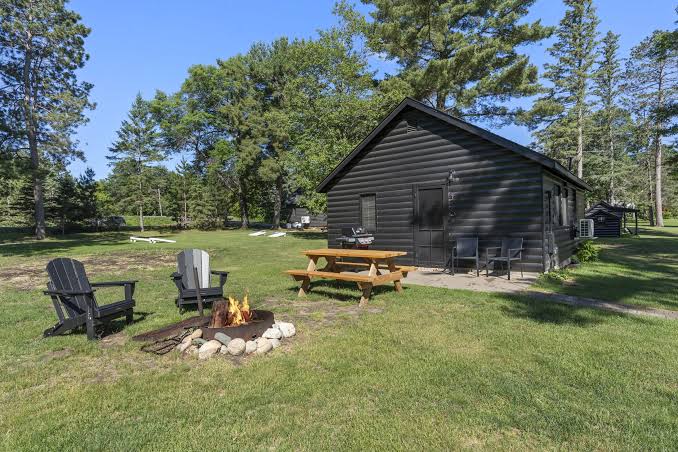
Family vacations rarely go exactly as planned, and honestly, that’s part of their charm. Someone forgets a jacket, the kids want to stop at every interesting spot along the road, and the adults spend half the drive deciding what to eat when they arrive. But once everyone settles into a comfortable cabin near the lake, those little complications tend to fade. There’s room to slow down, enjoy the outdoors, and spend time together without worrying about a packed schedule.
Minnesota is a natural choice for families who enjoy lakes, wooded surroundings, and outdoor recreation. A cabin getaway around Ruth Lake can offer a welcome change from busy routines, whether you’re planning a long weekend with young children or a longer holiday with grandparents, cousins, and family friends. A little preparation helps, but the goal isn’t to organize every minute. It’s to create a trip that feels comfortable, enjoyable, and flexible enough for everyone.
Start With the Kind of Vacation Your Family Wants
Before choosing dates or browsing accommodation, talk about what everyone hopes to get from the trip. Some families want swimming, paddling, and long afternoons outside. Others picture quiet mornings, shared meals, fishing, and evenings spent talking on the porch. Most groups want a mixture of both.
Understanding these preferences makes it easier to choose a location and avoid unnecessary spending. If outdoor activities are the main attraction, look for convenient access to the lake and nearby recreation. If relaxation is the priority, comfortable indoor space and a peaceful setting may matter more than an extensive list of amenities.
When researching how to plan family cabin vacations in minnesota, begin with a realistic budget, travel dates, group size, and a few shared priorities. These basics provide a useful framework without forcing you to make every decision immediately.
It’s also worth asking whether anyone has special requirements. A family member may need a ground-floor bedroom, a toddler may need a suitable sleeping arrangement, or someone may have dietary restrictions. Sorting out these details early makes the vacation more welcoming for everyone.
Choose a Cabin That Feels Comfortable
Accommodation can shape the entire experience. A beautiful view is wonderful, but it won’t make up for a shortage of beds, an impractical kitchen, or too little room for everyone to relax. Think about how your family actually spends time together rather than focusing only on photographs.
A cabin with a comfortable living area can become the natural gathering place after a day outdoors. A practical kitchen makes breakfast and casual dinners easier, while enough bedrooms and bathrooms help everyone get ready without turning the morning into a queue.
Well-maintained private renovated cabins may appeal to families who want a welcoming atmosphere with modern conveniences. Updated interiors can make a stay more comfortable while preserving the relaxed character people often associate with a lakeside retreat. Still, renovation details and amenities vary from property to property, so confirm what is included before booking.
Check the sleeping arrangements carefully. A listing may describe a cabin as suitable for a certain number of guests, but the actual bed layout matters, especially for families with children or older relatives. Ask about linens, kitchen equipment, parking, heating or cooling, Wi-Fi, and any accessibility considerations.
Privacy deserves attention, too. Spending time together is the point of a family vacation, but everyone benefits from having a little personal space. A quiet bedroom or a comfortable corner to read can be just as valuable as a large shared room.
Look at Waterfront Access Before You Book
For many families, being near the water is the main reason to choose a lake cabin. Easy access can make it possible to enjoy short swims, relaxed afternoons by the shore, or a quick walk outside without having to organize a separate excursion.
When comparing properties, look beyond the phrase “waterfront.” Ask how the shoreline is accessed, whether the area is suitable for children, and whether the property has a private dock, shared beach, or another arrangement. Photographs can help, but a clear description of the actual setup is more useful when you’re making a booking decision.
If a property advertises four waterfront options, compare the details of each option rather than assuming they provide identical experiences. Consider the location, available facilities, walking distance, and whether access is private or shared. Confirm which features are available during your travel dates and whether any restrictions apply.
Families with younger children should pay particular attention to water safety. Check for designated swimming areas, understand local guidance, and keep children supervised near the shore. Even calm-looking water deserves respect, and life jackets should be used where appropriate for boating and paddling.
A little research can help you find a waterfront arrangement that fits your family instead of discovering after arrival that it doesn’t suit your plans.
Plan Activities Without Filling Every Hour
One of the easiest ways to make a family vacation exhausting is to schedule too much. A long drive, a morning excursion, a restaurant reservation, and another activity in the afternoon may look manageable on paper. With children or a larger group, however, even a simple plan can take longer than expected.
Choose a few activities everyone is excited about, then leave open time around them. Depending on available amenities and seasonal conditions, a day might include swimming, kayaking, fishing, a walk through the surrounding area, or simply relaxing near the cabin. On another day, you may decide to explore a nearby town or enjoy a scenic drive.
It’s helpful to have options for different energy levels. Teenagers might want a more active outing, while grandparents may prefer a quiet afternoon with a book. Young children often enjoy simple things—a picnic, skipping stones, or spotting birds—without needing a complicated entertainment plan.
Keep a backup idea for rainy weather, too. Card games, puzzles, cooking together, or a family movie can turn an unexpected afternoon indoors into part of the fun.
Make Meals Easy and Bring the Right Essentials
Food can be one of the most enjoyable parts of a cabin vacation, but planning every meal from scratch can become tiring. If the accommodation has a suitable kitchen, consider preparing a few simple meals and eating out occasionally. Breakfast supplies, sandwich ingredients, snacks, and easy dinner options can save time and reduce unnecessary trips to the store.
Before leaving home, confirm what kitchen equipment is provided. You may need to bring favourite spices, reusable containers, a cooler, or supplies for children. Check nearby grocery options and opening hours if you expect to shop after arriving.
Packing deserves the same practical approach. Bring comfortable layers, rain jackets, suitable footwear, sun protection, insect repellent, and any medications the family needs. If you plan to use outdoor equipment, confirm whether it is provided or must be rented separately.
Keep the Booking and Budget Straightforward
Once you’ve chosen a cabin, review the reservation details carefully. Confirm the dates, occupancy limits, total price, payment schedule, cancellation terms, check-in instructions, and any additional charges. Ask about policies covering pets, visitors, quiet hours, outdoor fires, and equipment use.
If several households are sharing the cost, agree on how expenses will be divided before the trip. Clear communication can prevent awkward conversations later, particularly when people have different budgets or travel arrangements.
Book early when possible if your dates fall during a popular holiday period. Before paying, make sure the accommodation’s location and amenities match the family’s needs. A little extra time spent checking the details is usually easier than trying to resolve misunderstandings after arrival.
Enjoy the Moments That Happen Naturally
The best family cabin vacations aren’t always the ones with the most activities. Sometimes, the memories that last come from a late-night conversation, a meal everyone helped prepare, or an unexpected moment of laughter when a simple plan goes slightly wrong.
Give your family time to settle into the surroundings. Put the phones away for a while, enjoy the lake, and let people choose how they want to spend part of the day. A thoughtful plan provides structure, but a little flexibility gives everyone room to enjoy the experience.
With comfortable accommodation, suitable waterfront access, and activities that fit your family’s interests, a Minnesota cabin getaway can become a refreshing break from everyday life. Plan the essentials, confirm the details, and leave space for the unexpected. That’s often where the best vacation memories begin.