Most of us don’t spend much time thinking about the water coming out of the kitchen tap. We turn it on to fill a kettle, rinse vegetables, wash our hands, or get a glass of water before heading out the door. It’s such an ordinary part of life that we tend to notice it only when something changes. A strange taste, stubborn white marks on the shower screen, or soap that never seems to rinse away properly can make you wonder whether your home’s water needs a little attention.
Fortunately, improving water quality doesn’t have to become a complicated home improvement project. The sensible first step is understanding what’s happening, then choosing a solution that addresses the actual problem. That approach can save money, reduce frustration, and help you avoid purchasing equipment you don’t really need.
Start With the Water You Already Have
Water quality can differ considerably between homes, even within the same neighbourhood. Local geology may contribute to hard water, while older plumbing can sometimes affect the water that reaches your taps. Municipal supplies are generally treated and monitored, but the condition of household pipes and fixtures can still matter. Private wells bring their own considerations because groundwater quality can change with rainfall, nearby land use, and other environmental factors.
The signs you notice at home can offer useful clues. White residue around faucets often points to mineral deposits. Orange or reddish staining may be associated with iron, while an unusual taste or smell could have several possible causes. None of these observations, however, provides a complete picture of water safety.
Testing helps turn those clues into useful information. Depending on the source, a test may examine hardness, pH, iron, dissolved solids, bacteria, or specific contaminants. The right combination depends on local conditions and the concerns you’re trying to investigate. If the water is supplied by a private well, follow local health guidance about routine testing rather than waiting for a problem to appear.
When Whole-House Treatment Makes Sense
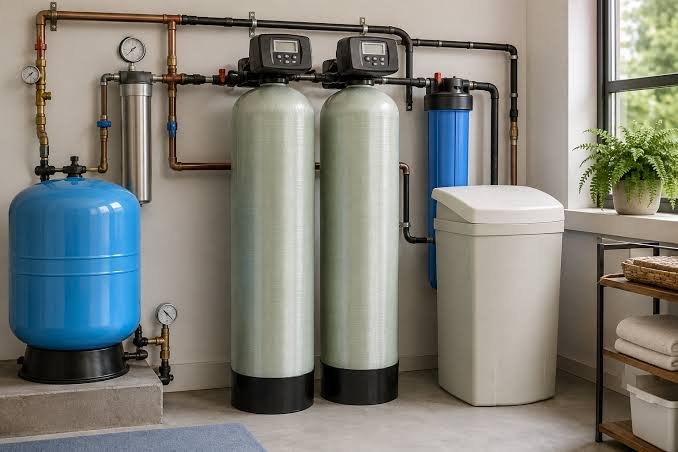
Some water issues affect only one tap, while others are noticeable throughout the property. If sediment appears in several fixtures, mineral deposits build up across the bathroom, or the incoming water needs treatment for a particular characteristic, a system installed at the main water entry point may be worth considering.
A whole-house filtration setup treats water as it enters the home, allowing the selected technology to serve multiple fixtures. The right filter depends on what the water test reveals. Sediment filters can capture particles, while suitable carbon filters may reduce certain tastes and odours. If hardness is the main concern, a water softener may be a more appropriate choice than a standard filter.
It’s important to remember that no single system removes everything. A sediment filter won’t reliably remove dissolved substances, and a basic carbon filter isn’t a universal solution for microbiological contamination. If a test identifies a health-related concern, choose treatment specifically designed and independently verified for that contaminant.
Household demand also deserves attention. A system should provide enough flow for showers, laundry, kitchen use, and other fixtures without causing an inconvenient drop in water pressure. Before making a purchase, ask about capacity, replacement components, maintenance requirements, and expected operating costs.
Why Testing Before Buying Can Save Money
It’s tempting to buy the system a friend recommends or choose whichever product has the most impressive list of features. Yet two homes on the same street can have different plumbing, water sources, and treatment needs. What works well for one household may not solve another home’s problem at all.
Some providers offer free water testing as an introduction to their services. This can be a useful way to learn more about basic water characteristics, particularly when you’re unsure where to begin. Before booking, ask exactly what the test covers, how the sample is evaluated, and whether you’ll receive the results in writing.
A free screening may focus on hardness, chlorine, or other selected characteristics rather than providing a complete contaminant analysis. If you have concerns about bacteria, lead, nitrates, or another specific substance, you may need an appropriate certified laboratory test. A demonstration performed by a salesperson should not be treated as proof that your water is safe to drink.
If you already have a recent water quality report, keep it handy when speaking with a treatment professional. The results can help narrow the options and make the discussion more productive. A good provider should explain the findings in plain language, including what they do and don’t tell you.
Understand the Installation Offer
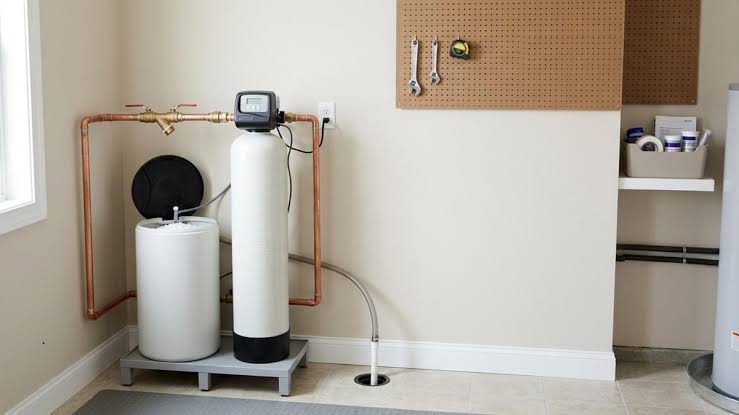
Once you’ve identified a suitable system, installation becomes the next practical consideration. The equipment needs to fit the available space, connect correctly with the plumbing, and remain accessible for future servicing. Poor placement can turn a relatively simple maintenance task into an awkward job later on.
Some companies advertise free installation with qualifying equipment or during specific promotions. That can reduce the initial expense, but it’s worth checking the details before agreeing to anything. Ask whether the offer includes labour, fittings, changes to existing plumbing, and removal of old equipment. Additional work may cost extra, depending on the property’s layout and the system selected.
Don’t choose a treatment system based on the installation offer alone. A low upfront cost is less appealing if replacement filters are expensive or the equipment isn’t suitable for your water conditions. Compare the total cost over time, including routine maintenance, consumables, electricity where required, and any water used during regeneration or filtration.
It’s also sensible to confirm who will carry out the work and what support is available afterwards. Clear written terms can prevent misunderstandings and help you know what to expect if the system needs adjustment.
Keep Maintenance Simple and Consistent
Even a well-chosen treatment system needs attention. Filters have a limited service life, softeners may need salt or other regeneration materials, and reverse osmosis membranes eventually require replacement. If maintenance is neglected, performance can decline, sometimes without an obvious warning.
A basic calendar reminder can make a surprising difference. Record when the equipment was installed, note filter changes, and follow the manufacturer’s service instructions. If you notice a sudden change in taste, colour, odour, or water pressure, investigate rather than assuming the system will correct itself.
Households using private wells should also keep up with recommended water testing and well maintenance. For municipal supplies, plumbing repairs or persistent changes at a particular tap may justify further investigation. When contamination is suspected, seek appropriate testing and follow advice from the relevant health authority.
Choose What Works for Your Household
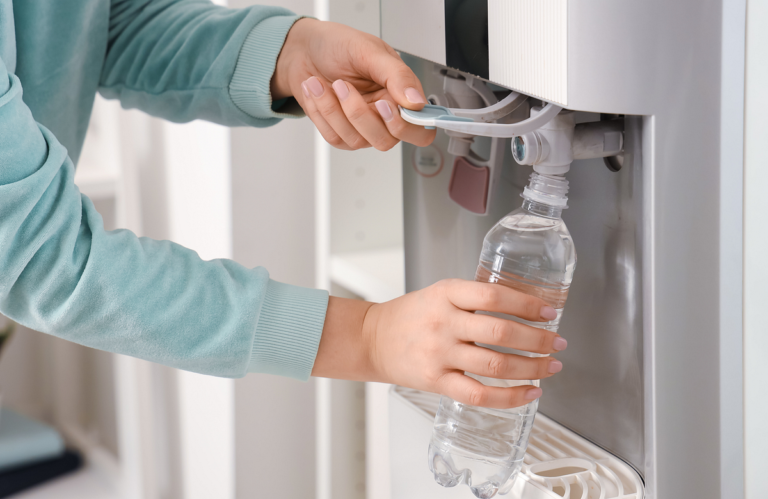
The best water treatment decision isn’t necessarily the most expensive one. It’s the choice that addresses a real concern, fits your household’s water use, and remains manageable over the long term. For one home, that might mean a simple drinking-water filter. Another may need a softener to reduce scale, or a more specialised system selected in response to test results.
Take time to compare options, ask direct questions, and understand the maintenance involved before committing. Good advice should make the decision clearer, not leave you feeling pressured or confused.
Water is part of everyday comfort, from the first cup of tea in the morning to the last load of laundry at night. With a little investigation and a practical plan, you can make informed improvements that suit your home, your budget, and the way you live.