Water is one of those things most of us barely think about until something feels off. A glass of water tastes different. Soap doesn’t lather like it used to. White spots keep appearing around the faucets, and the shower door somehow looks dirty again five minutes after you’ve cleaned it.
For homeowners in New Port Richey, these small annoyances may be connected to the quality and mineral content of the household water. Hard water, in particular, can quietly become a daily nuisance. It may not demand immediate attention, but over time, mineral buildup can affect fixtures, appliances, plumbing, and even simple cleaning routines.
The good news is that you don’t have to simply live with it.
Understanding Hard Water at Home
Hard water contains dissolved minerals, mainly calcium and magnesium. As groundwater moves through rock and soil, it can naturally pick up these minerals before reaching a home’s water supply.
There’s nothing unusual about mineral-rich water, but higher levels of hardness can create noticeable problems.
You may see cloudy marks on dishes, chalky deposits around faucets, or buildup inside water-using appliances. Some people also notice that their skin feels dry after bathing or that shampoo seems harder to rinse away.
These signs aren’t always proof of hard water, of course. That’s why testing is useful before choosing a treatment system.
Why Water Quality Shouldn’t Be a Guessing Game
When homeowners begin researching water treatment in New Port Richey, it’s easy to get overwhelmed by equipment choices. There are softeners, filtration systems, reverse osmosis units, conditioners, and combination systems. Each one has a different purpose.
The first step should be figuring out what’s actually happening with your water.
A professional water test can measure hardness and identify other characteristics that may influence the right treatment approach. This is much more practical than buying a system simply because a neighbor has one.
Every home has different water usage, plumbing, household size, and water-quality concerns. One solution doesn’t magically fit everyone.
The Everyday Trouble Caused by Hard Water
Hard water often announces itself through little things.
Maybe your favorite glassware comes out of the dishwasher covered in spots. Perhaps the faucet develops a crusty ring that requires repeated scrubbing. You might notice scale around the showerhead or find yourself using more soap and detergent than expected.
Then there are appliances.
Water heaters, dishwashers, washing machines, coffee makers, and other water-using equipment can be exposed to mineral deposits. Over time, those deposits may interfere with normal operation or increase the need for cleaning and maintenance.
It’s not exactly the kind of household problem that makes headlines, but it can certainly make life more irritating.
How a Water Softener Works
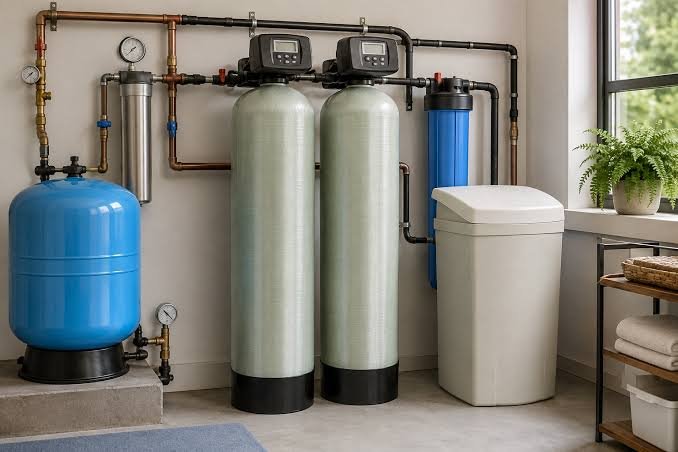
Traditional water softeners typically use a process called ion exchange. In simple terms, the system captures hardness minerals such as calcium and magnesium and exchanges them for sodium or potassium ions.
The result is softer water moving through the home’s plumbing.
For many families, the biggest benefit is convenience. Softer water can reduce mineral scale, improve soap performance, and make cleaning surfaces less frustrating.
When comparing New Port Richey water softeners, homeowners should consider the system’s capacity, regeneration method, maintenance needs, installation requirements, and long-term operating costs instead of focusing only on the purchase price.
A cheap system that doesn’t suit the household isn’t really cheap in the long run.
Don’t Confuse Softening With Filtration
This is an important distinction.
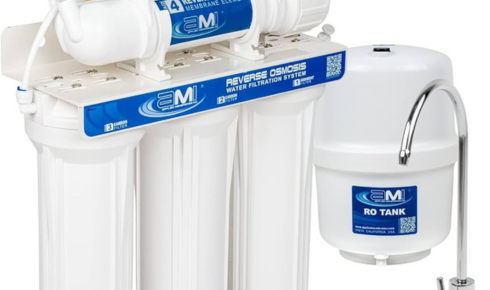
A water softener is primarily designed to address hardness. A filtration system, on the other hand, can be designed to target specific contaminants, sediment, taste, odor, or other water-quality concerns depending on the filter technology.
Sometimes a home needs one. Sometimes it benefits from both.
That’s why a proper water assessment matters. If the main concern is mineral hardness, softening may be enough. If there are additional concerns, a broader treatment setup might make more sense.
Understanding the difference can save homeowners money and prevent them from expecting one piece of equipment to do everything.
Choosing the Right Size for Your Household
Water treatment equipment should match the home.
A small household with modest water consumption won’t necessarily need the same capacity as a large family with several bathrooms and heavy daily usage. Water hardness also plays a role in determining the appropriate system.
A qualified professional can consider household size, water consumption, hardness levels, and other relevant factors before recommending equipment.
This approach is better than simply choosing the biggest system available. Bigger isn’t always better. The goal is reliable treatment with sensible operating costs.
Installation Is More Important Than It Looks
Even good equipment can perform poorly if it’s installed incorrectly.
A water softener may need proper connections to the home’s plumbing, access to drainage, and appropriate placement. Some systems also require electrical power or specific installation considerations.
Professional installation can help ensure the system is integrated properly and is easier to maintain later.
It also gives homeowners an opportunity to understand how their equipment works. Knowing where the bypass valve is, how maintenance is handled, and what normal operation looks like can be surprisingly useful.
You don’t need to become a water-treatment expert. Just knowing the basics can save headaches.
Maintenance Keeps the System Working
A water softener isn’t a completely maintenance-free appliance.
Traditional systems may require salt replenishment and periodic inspection. Other technologies have their own maintenance schedules. Filters may need replacement, and equipment should generally be checked according to manufacturer recommendations.
Ignoring maintenance for years and then wondering why performance has declined is a common household mistake.
A little attention along the way is usually easier and less expensive than dealing with a neglected system later.
Consider the Bigger Picture
Good water treatment isn’t only about getting rid of an annoying white spot on the sink.
It’s about making the water entering your home work better for your everyday needs. When hardness is properly managed, cleaning can become easier, fixtures may stay cleaner, and water-using appliances can receive less exposure to mineral scale.
For homeowners researching options across the New Port Richey service area, it makes sense to look for professionals who explain the water-quality issue clearly rather than pushing equipment before understanding the problem.
Ask questions. Request testing. Find out what the system is designed to remove or reduce, what maintenance it needs, and what the ongoing costs will be.
A straightforward explanation is worth a lot.
A Practical Approach to Better Household Water
There isn’t a single perfect water-treatment system for every home. That’s actually a good thing.
It means homeowners can choose a solution based on their specific water conditions, household needs, and budget. Whether the concern is hard water, mineral scale, unpleasant taste, or another water-quality issue, the process should begin with information rather than assumptions.
For companies serving New Port Richey homeowners, the real value isn’t simply installing a piece of equipment. It’s helping people understand what is happening with their water and what can reasonably be done about it.
And sometimes that’s all homeowners really want — someone who will explain the problem without making it complicated.
Better water doesn’t have to mean a complicated project. Start with testing, understand the results, compare your options, and choose equipment that makes sense for your home.
In the end, the best water-treatment decision is usually the practical one: the system that addresses your actual needs, fits your household, and keeps doing its job long after the installation is finished.