It usually starts with hesitation. You turn on the tap, lean in slightly, and something doesn’t feel right. Not dramatic—just a faint smell that wasn’t there before. You pause, maybe shrug it off, maybe run the water longer as if that might fix it.
But the next day, it’s still there.
Water is supposed to be neutral, almost invisible in our daily lives. So when it carries a scent, even a subtle one, it changes how you feel about using it. Drinking, cooking, even washing your hands—it all starts to feel a little uncertain.
That First Sign Something Has Changed
For many people, the earliest clue is simply bad odor water. It might smell slightly metallic, or like something organic that doesn’t belong. In some cases, it’s stronger when the water is warm, which makes showers or dishwashing particularly noticeable.
What’s interesting is how quickly we adapt. Instead of immediately investigating, we try to work around it—letting the tap run longer, using more soap, maybe even avoiding tap water for drinking altogether.
But that smell isn’t random. It’s a signal.
What Could Be Causing the Smell?
Water can pick up odors from a variety of sources. Sometimes it’s natural—minerals or gases like sulfur dissolving into groundwater. Other times, it’s something introduced along the way, either through aging pipes or external factors.
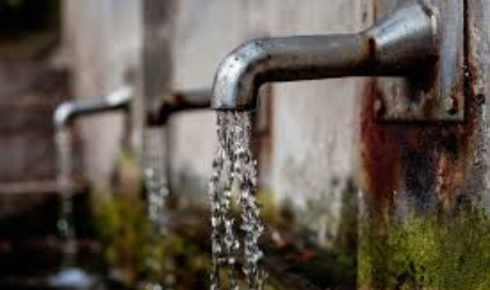
That’s where the idea of water contamination comes into the conversation. It sounds serious—and sometimes it is—but contamination doesn’t always mean something dangerous right away. It can simply mean that unwanted elements have entered your water supply.
These elements can affect smell, taste, and appearance, even at low levels. And while not all contamination poses a health risk, it’s still something worth paying attention to.
The Subtle Ways It Affects Daily Life
What makes water issues tricky is how they creep into everyday routines without making a scene.
You might notice your tea tastes different. Your laundry doesn’t smell as fresh. Your dishes come out of the dishwasher with a faint odor you can’t quite place.
Even something as simple as brushing your teeth can feel off when the water doesn’t smell clean.
These aren’t major disruptions, but they add up. And over time, they change how you interact with something as basic as water.
Why Ignoring It Isn’t the Best Option
It’s tempting to ignore the problem, especially if the smell isn’t overwhelming.
But water quality affects more than just comfort. It influences how your appliances perform, how your plumbing holds up, and how much effort you need to maintain your home.
In some cases, the source of the odor can lead to buildup inside pipes or systems, reducing efficiency over time. And while not every issue is urgent, leaving it unaddressed can make things more complicated later.
A little attention early on can save a lot of frustration down the line.
Understanding What’s in Your Water
The first real step toward solving the problem is understanding it.
A basic water test can reveal what’s causing the odor—whether it’s sulfur compounds, organic matter, or something else entirely. It takes the guesswork out of the situation and gives you a clear direction.
Without that clarity, you’re left trying random fixes, hoping something sticks.
With it, you can make informed decisions.
Finding a Solution That Works
Once you know what you’re dealing with, solutions become much more straightforward.
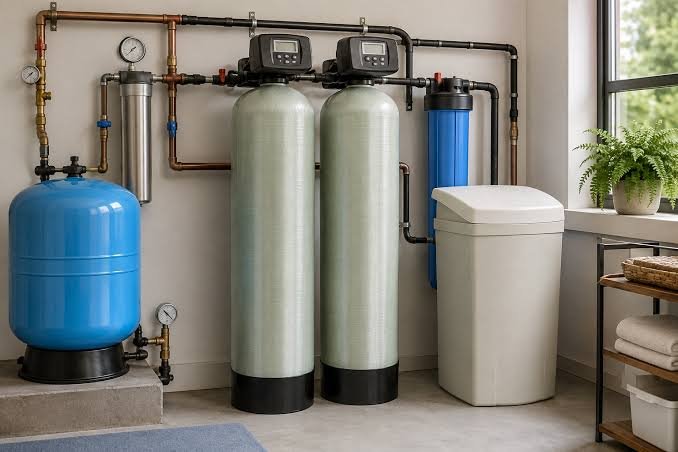
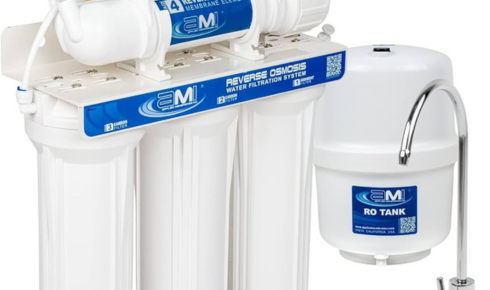
For many households, water filtration systems offer a practical way to improve water quality. These systems are designed to remove impurities, reduce odors, and restore that neutral, clean feel we expect from our water.
There are different types—some focus on specific issues like chlorine or sulfur, while others provide more comprehensive filtration. The right choice depends on your water source and the specific problem you’re facing.
It’s not about overcomplicating things. It’s about choosing a solution that fits your situation.
The Difference You Notice Right Away
When the issue is resolved, the change is surprisingly immediate.
The smell disappears. Water tastes clean again. Everyday tasks feel normal, without that underlying hesitation.
You stop thinking about your water—and that’s a good thing.
Because when water is doing what it’s supposed to do, it fades into the background, supporting your routine without drawing attention to itself.
Letting Water Be What It Should Be
At its best, water is simple. Reliable. Easy to trust.
When something disrupts that—whether it’s a strange smell or an unusual taste—it creates a small but constant sense of unease. Even if the issue isn’t severe, it’s enough to make you question something you’ve always taken for granted.
The good news is, most water problems are manageable. With a bit of awareness and the right approach, you can bring things back to that effortless state.
And once you do, you’ll probably forget the problem ever existed.
Which, honestly, is exactly how it should be.