A restaurant owner notices chalky deposits inside a coffee machine. A hotel manager wonders why freshly washed towels feel unusually rough. Somewhere else, a manufacturing facility is dealing with recurring maintenance issues involving water-dependent equipment. These businesses might have very little in common, yet unsuitable water quality could contribute to problems in each of them.
For businesses in Aledo, Texas, investing in appropriate commercial water conditioning can help manage excessive hardness, reduce certain maintenance concerns, and support more consistent daily operations.
Water treatment isn’t necessarily the most exciting business investment, but its practical importance shouldn’t be underestimated. When equipment performs reliably and employees spend less time dealing with recurring water-related problems, everyone benefits.
Understanding How Water Quality Influences Business Performance
Water is an essential resource for countless commercial activities. However, its composition can influence everything from cleaning effectiveness to equipment performance.
Calcium and magnesium contribute to water hardness. When hard water is heated, these minerals can form scale deposits inside boilers, water heaters, and other equipment.
Suspended particles may also collect inside valves, plumbing connections, and appliance inlet screens.
The effects aren’t always immediately obvious. A machine might gradually become less efficient, or employees may find themselves spending additional time cleaning mineral deposits.
These seemingly minor problems can accumulate into meaningful operating expenses.
Understanding your facility’s incoming water quality is a sensible starting point for determining whether additional treatment would provide practical benefits.
When Ordinary Filtration Isn’t Enough
Some businesses require more precise control over water composition than others. A café preparing specialty beverages has different priorities from a manufacturing facility that depends on consistent process water.
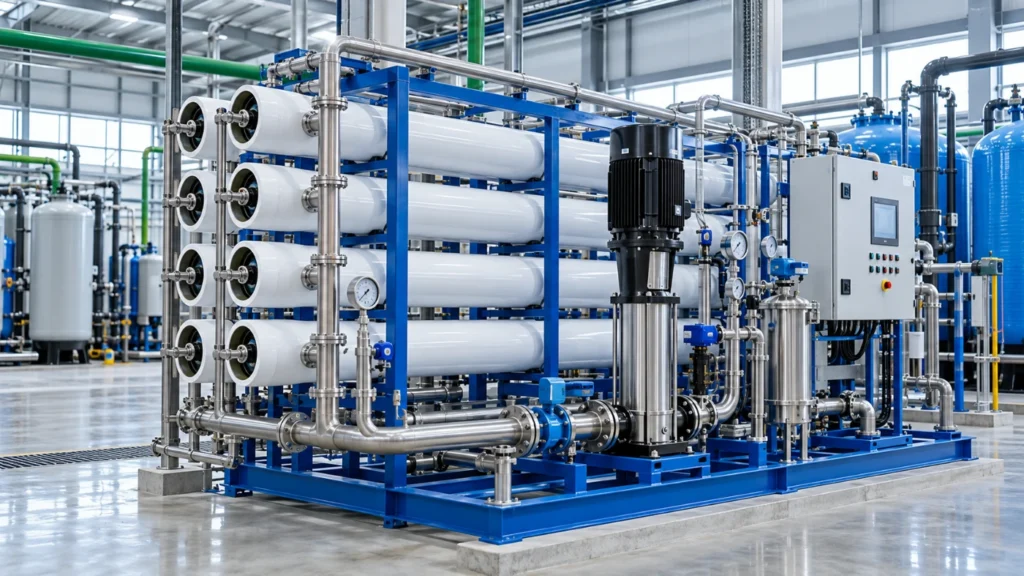
Appropriately designed commercial reverse osmosis and filtration can help address a range of dissolved substances, suspended particles, and taste-related concerns, depending on the technologies selected.
Reverse osmosis uses pressure and a semipermeable membrane to reduce many dissolved substances. Preliminary filtration stages may capture sediment and reduce chlorine, helping protect sensitive membrane components.
However, not every commercial property requires membrane-based treatment.
The decision should depend on incoming water chemistry, process specifications, and the quality of water required for particular applications.
Selecting treatment according to actual operational needs helps prevent unnecessary expenditure.
Choosing Equipment That Can Handle Commercial Demand
One mistake business owners sometimes make is underestimating how much water their facility consumes during its busiest periods.
When comparing commercial water treatment equipment, consider daily consumption, peak flow requirements, incoming pressure, available installation space, and maintenance accessibility.
A restaurant might experience its highest water demand during evening service, while a commercial laundry could operate steadily for several hours.
Treatment capacity should reflect these differences.
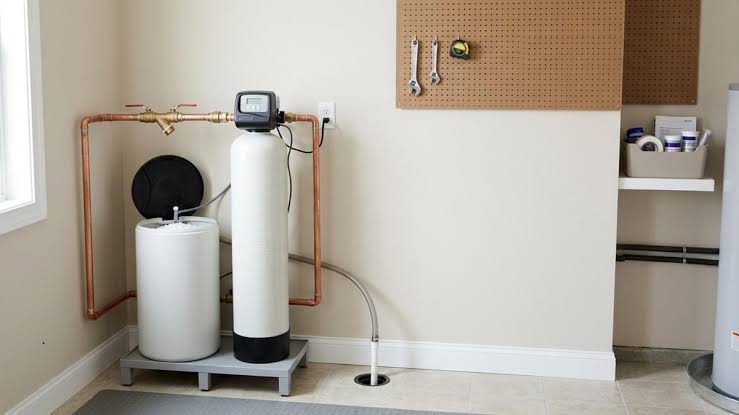
For businesses requiring continuous softened water, alternating twin-tank designs may provide practical advantages during regeneration.
Facilities using reverse osmosis may also need appropriately sized storage tanks to accommodate fluctuations in demand.
The goal is selecting equipment that supports normal operations without becoming another limitation employees must work around.
Creating a Better Experience for Customers
Water quality can influence customer experiences in ways business owners don’t always recognize.
Imagine ordering an expensive cup of coffee only to notice an unpleasant aftertaste. Or checking into a hotel and finding cloudy mineral deposits around bathroom fixtures.
These details might seem small individually, but they contribute to someone’s overall impression of a business.
Appropriate water treatment can help address selected issues associated with beverage flavor, mineral accumulation, and cleaning effectiveness.
Restaurants, cafés, hospitality businesses, and fitness facilities may find these improvements particularly worthwhile.
Ultimately, customers don’t need to understand the technology operating behind the scenes. They simply appreciate the quality and consistency of the service they receive.
Managing Operating Expenses More Thoughtfully
Every business owner understands the importance of controlling recurring expenses.
Water treatment introduces its own operating costs, including replacement filters, regenerating salt, electricity, and water consumption. Naturally, these expenses need to be weighed against potential operational benefits.
Demand-initiated softening systems may help reduce unnecessary regeneration cycles when appropriately programmed.
Reverse osmosis equipment should be evaluated for its documented recovery rate, production capacity, and concentrate discharge requirements.
It’s also worth recording equipment maintenance expenses before and after treatment installation. Doing so can help identify whether improvements are delivering meaningful financial value.
Rather than relying on broad savings promises, businesses can use actual operating data to evaluate their investment.
Making Preventive Maintenance Part of Business Planning
Even dependable water treatment equipment requires routine attention. Neglected filters, exhausted treatment media, or incorrectly configured controls can gradually affect performance.
When consulting a provider such as Elders Water, discuss servicing requirements, replacement component availability, recommended testing schedules, and anticipated operating expenses.
Businesses should also establish clear water quality objectives for specific applications.
Monitoring hardness after softening or measuring conductivity after membrane treatment can provide useful performance indicators. More detailed testing may be necessary depending on the facility’s requirements.
Whenever possible, schedule routine servicing during quieter operating periods.
A planned maintenance appointment is generally much easier to accommodate than an unexpected equipment interruption during a particularly busy day.
Building More Dependable Business Operations in Aledo
Successful businesses aren’t built exclusively through major investments or ambitious expansion plans. Often, their strength comes from managing everyday responsibilities consistently and efficiently.
Water treatment can be part of that philosophy.
By understanding incoming water conditions, selecting suitable technologies, and maintaining equipment properly, businesses in Aledo, Texas, can address selected water quality concerns before they contribute to further operational difficulties.
The rewards might appear through fewer recurring mineral deposits, more consistent beverage preparation, or improved equipment reliability.
Whatever your industry, dependable water deserves a place in your long-term operational planning. Sometimes, the smartest business improvements are the ones that quietly keep everything else running smoothly.