Picture this: you’ve installed a drinking water filter in your kitchen, but there are still tiny particles collecting in your bathroom faucet, and your shower occasionally smells of chlorine. The kitchen water tastes better, yet the rest of your home hasn’t experienced quite the same improvement. It’s a situation that makes many homeowners reconsider their approach to water treatment.
Installing point-of-entry water filtration offers a way to address specific water quality concerns before incoming water travels through the household plumbing system.
For Knoxville residents, this approach can be particularly appealing when water quality issues affect several rooms. Rather than relying on individual filters, homeowners can invest in centralized treatment designed around their property’s actual requirements.
Why Treating Water at the Source Makes Sense
Think about how much water your household uses on an ordinary Saturday. Someone takes a shower, the washing machine runs, dishes need cleaning, and lunch preparation gets underway. All these activities depend on the same incoming water supply.
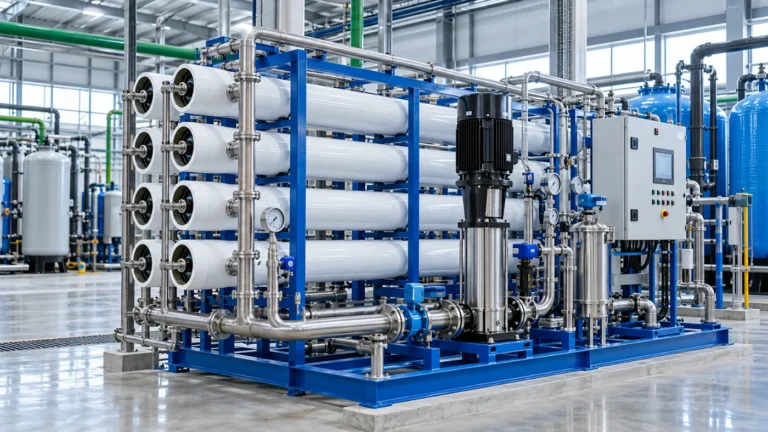
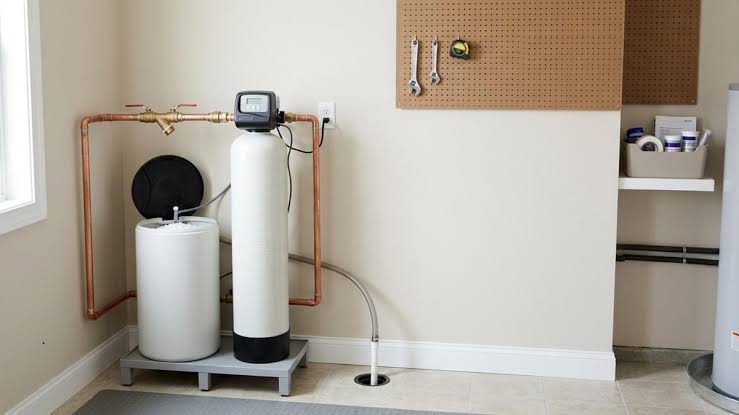
A centralized filtration system treats water before it reaches designated household fixtures and appliances.
This arrangement eliminates the inconvenience of installing separate filters at every outlet that needs treatment. It also creates a more manageable maintenance routine because the primary equipment is located in one place.
Depending on the technology selected, homeowners may experience fewer suspended particles, reduced chlorine odors, and improvements in certain water characteristics.
However, the effectiveness of any installation depends on choosing equipment that addresses the substances actually present in your water.
How Sediment and Carbon Filters Work Together
Different substances require different filtration methods. That’s why combining complementary technologies often makes more sense than expecting a single filter to handle everything.
A system incorporating whole-home sediment and carbon filtration can address suspended particles alongside certain chemical compounds that influence water taste and odor.
Sediment filters capture materials such as sand, silt, and rust particles. Activated carbon works differently, adsorbing certain substances and reducing chlorine taste and odor.
Installing sediment filtration ahead of carbon treatment can help prevent excessive particulate accumulation within the carbon media.
These technologies complement each other nicely, although neither should automatically be considered a complete water purification solution.
Dissolved hardness minerals, microorganisms, and certain contaminants may require additional treatment specifically designed for those concerns.
Choosing Filters That Match Your Household’s Water Usage
One of the more challenging aspects of purchasing treatment equipment is knowing which specifications actually matter.
When comparing residential whole-house filters, pay attention to filtration capacity, flow rates, incoming water pressure, and maintenance requirements.
A household with three bathrooms and several people using water simultaneously will have different needs from a smaller property with limited daily consumption.
Filter ratings also deserve consideration. A finer sediment filter can capture smaller particles, but an unnecessarily restrictive filter may contribute to pressure loss or require frequent replacement.
Ask your installer how the proposed equipment will perform during periods of high water demand.
The last thing you want is an improved filtration system that makes taking a shower considerably less enjoyable.
Understanding What Your Water Is Telling You
Sometimes, water quality concerns become noticeable through small changes around the house.
Particles collecting inside faucet aerators might suggest sediment. A noticeable chemical smell could be associated with disinfectants, while reddish staining may indicate iron or corrosion.
These observations are useful starting points, but they don’t provide a complete picture.
Knoxville homeowners connected to municipal water can review their supplier’s water quality reports. Those relying on private wells should arrange appropriate laboratory testing to identify potential concerns.
It’s worth investigating changes in water quality rather than assuming they’re harmless or purchasing equipment based solely on visible symptoms.
Reliable information helps you make decisions with greater confidence.
Helping Protect Appliances and Plumbing Components
A dishwasher, washing machine, or water heater represents a considerable household investment. Naturally, keeping these appliances in good working condition makes financial sense.
Suspended particles can accumulate inside screens, valves, and other water-dependent components. Suitable sediment filtration helps reduce the amount of particulate material reaching these areas.
However, mineral scale presents a different challenge.
If you’re dealing with chalky deposits caused by calcium and magnesium, a conventional water softener may be more appropriate. Carbon and sediment filters aren’t designed to remove dissolved hardness minerals effectively.
Understanding these distinctions helps homeowners avoid unrealistic expectations and unnecessary equipment purchases.
Thinking About Installation and Long-Term Maintenance
Before installing centralized filtration equipment, consider where it will be located and how easily it can be serviced.
There should be sufficient space to replace cartridges, inspect connections, and operate bypass valves when necessary.
Maintenance requirements vary according to filter design, household consumption, and incoming water quality.
A filter exposed to considerable sediment may need more frequent attention than one serving relatively clear water.
Ask about replacement component costs and availability before committing to a particular system. Keeping a few recommended replacement cartridges on hand can also help prevent inconvenient delays.
A little preparation makes ongoing ownership much easier.
Making Better Water Part of Everyday Living
A well-designed filtration system shouldn’t become something you constantly worry about. Ideally, it works quietly behind the scenes while your household continues its normal routine.
For Knoxville homeowners, centralized water treatment can offer practical advantages when supported by reliable testing, appropriate equipment selection, and consistent maintenance.
You might appreciate the difference through fewer particles around faucets, reduced chlorine odors, or more pleasant water at frequently used outlets.
These aren’t necessarily dramatic changes, but they’re meaningful ones.
After all, water is involved in nearly everything that happens inside your home. Improving its quality is one of those practical investments that can make everyday living just a little more comfortable.