Water is part of nearly every routine at home. It’s there when you make morning coffee, wash vegetables for dinner, take a shower after a long day, or run the dishwasher before bed. Because it is so familiar, most people don’t think much about its quality until something changes. White mineral deposits appear on faucets, laundry comes out with unexpected stains, or drinking water develops a taste that seems a little unusual.
For homeowners in northern Indiana, understanding local water conditions can make a real difference. The right approach depends on the water source, the plumbing in the property, and the specific issue that needs attention. Rather than buying equipment based on a neighbor’s recommendation, it’s worth taking a closer look at what your own water needs.
Understanding Water Quality in Your Community
Water conditions can vary considerably between nearby communities. Groundwater moves through local soil and rock, picking up minerals along the way. Municipal systems treat water before distribution, while private well owners have additional responsibility for monitoring their supply. Even within the same town, two homes can experience different issues.
The Angola
community and surrounding areas include properties with different water sources and household plumbing arrangements. For residents relying on private wells, periodic testing is particularly important because groundwater quality can change over time. Nearby land use, seasonal conditions, and the condition of the well itself may all influence what appears at the tap.
Hard water is one of the more noticeable household concerns. It contains elevated levels of calcium and magnesium, which can leave chalky marks on shower doors, reduce soap lather, and contribute to scale inside water heaters. These minerals are not generally considered harmful at typical drinking-water concentrations, but they can make cleaning more frustrating and increase maintenance needs.
Other problems may be less straightforward. Iron can cause reddish-brown stains, manganese may leave dark marks, and naturally occurring organic matter can affect water color. Some contaminants, meanwhile, have no noticeable taste, smell, or appearance. That’s why water testing is more dependable than judging quality by sight alone.
Why Testing Should Come Before Treatment
It can be tempting to purchase a filter as soon as something seems wrong. A yellow tint might suggest one problem, while a metallic taste might point toward another. But symptoms don’t always reveal their true cause.
A laboratory water test can help identify hardness, iron, manganese, pH, and other relevant characteristics. Private well owners should also consider appropriate microbiological testing and other tests recommended for their location. If the water’s appearance or taste changes suddenly, investigate the cause rather than assuming that a routine filter replacement will solve it.
For homes connected to a public water system, the local water quality report provides useful background information. However, household plumbing can affect water after it enters the property, so additional testing at the tap may be worthwhile when a specific concern persists.
Keep a copy of the results. It gives you a clear reference when speaking with a water treatment professional and helps you compare equipment based on actual needs instead of general marketing claims.
Water Treatment Considerations Around South Bend
In South Bend, households may have different priorities depending on whether they receive municipal water or rely on a private well in the surrounding area. Some residents mainly want to reduce mineral buildup, while others may be concerned about taste, odor, sediment, or a particular contaminant identified through testing.
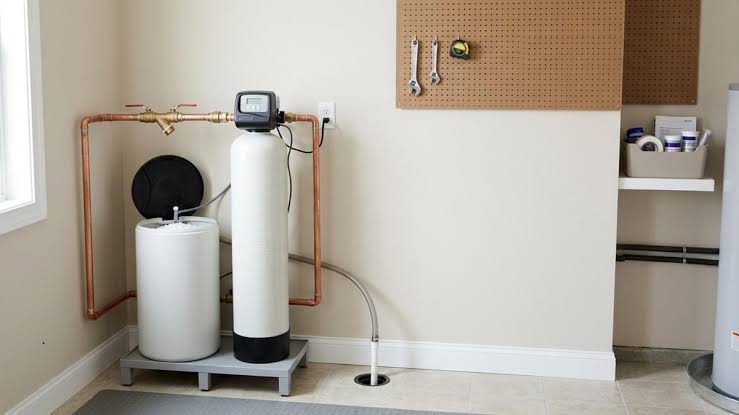
A water softener is commonly used to reduce calcium and magnesium through ion exchange. For many households, this can mean less scale on plumbing fixtures, easier cleaning, and improved soap performance. Still, softeners aren’t designed to remove every type of contaminant, so they shouldn’t be treated as a universal solution.
Filtration systems serve different purposes. Sediment filters capture suspended particles, while activated carbon can improve taste and reduce certain substances, depending on the filter’s design and certification. Reverse osmosis systems can reduce a range of dissolved substances in drinking water, but their performance varies according to the equipment and the contaminants being targeted.
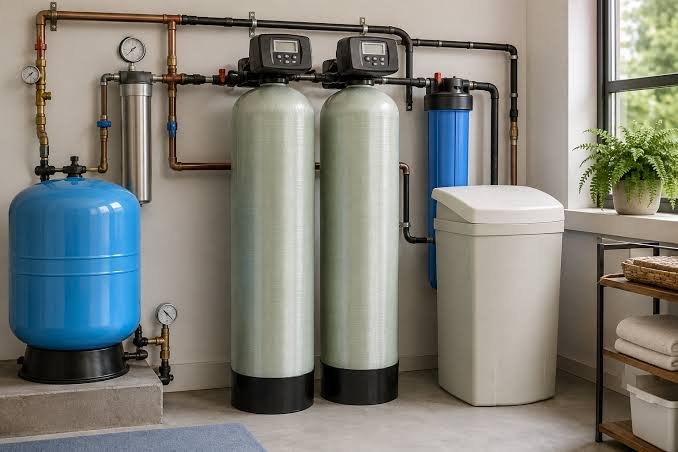
If a household has several concerns at once, a combination of treatment stages may be appropriate. For example, sediment filtration might be needed before another treatment process can work effectively. The order and type of equipment should be based on water test results, not simply on the number of products a supplier offers.
Before purchasing a system, ask about flow rate, capacity, installation requirements, maintenance, and replacement costs. A system that works well for a small household may not provide enough treated water during busy mornings in a larger home.
Finding the Right Approach in Granger
Homes in Granger can differ in size, water demand, plumbing layout, and source-water characteristics. Those differences matter when choosing treatment equipment. A family with several bathrooms and frequent laundry use may need a different setup from a couple living in a smaller property.
Start by identifying the main problem. If hardness is the issue, a properly sized softener may be suitable. If drinking water has an unpleasant taste, a point-of-use carbon filter or reverse osmosis system might be worth considering, depending on the test results. If a private well has a confirmed microbial concern, appropriate disinfection may be necessary.
Ultraviolet treatment is one option for inactivating susceptible microorganisms. It requires proper sizing, adequate UV exposure, clear enough water, and regular maintenance. UV systems do not remove dissolved chemicals or hardness minerals, and suspended particles can interfere with their performance. Pretreatment may therefore be necessary.
No single technology handles every water-quality problem. A good treatment plan focuses on the contaminants or characteristics that have actually been identified. It should also explain the system’s limitations so homeowners know what results to expect.
Compare the Long-Term Cost, Not Just the Purchase Price
Price matters, but the initial cost doesn’t tell the whole story. Installation, filter replacements, salt, electricity, water use, and periodic servicing can add up over time. A less expensive system may become costly if its consumables are difficult to obtain or it requires frequent attention.
Ask for a written estimate that separates equipment and installation charges. Request the manufacturer’s current specifications, warranty details, and any independent certifications relevant to your particular water-quality concern. A reputable provider should explain why the proposed system is suitable and what it is expected to accomplish.
Be cautious about promises that one device removes every contaminant or makes future testing unnecessary. Water treatment has specific capabilities and limitations, and those details deserve careful attention before you spend your money.
Keep Your System Working Properly
Once equipment is installed, maintenance becomes part of keeping water quality consistent. Replace cartridges according to the manufacturer’s guidance, check softener settings when needed, and arrange servicing for systems that require it. If UV disinfection is used, follow the recommended schedule for lamp replacement and cleaning.
Retesting can help confirm that treatment is working, particularly when a system is intended to address a health-related contaminant. Changes in water quality should prompt another look at the source, plumbing, or treatment equipment rather than being ignored.
Keep your test reports, manuals, installation details, and service records together. Having this information available can save time if a problem develops later.
A Sensible Way to Improve Household Water
Better water doesn’t necessarily require the most expensive equipment or a complicated treatment setup. It begins with understanding the water you have, identifying the issue, and choosing a solution that fits your home.
Whether you’re maintaining a private well, dealing with mineral deposits, or improving the taste of drinking water, informed decisions make a difference. For households in northern Indiana, testing and careful product comparisons offer a practical starting point. With the right system and consistent maintenance, water treatment can become a worthwhile investment in everyday comfort and confidence.