There’s a point in every growing business where the basics start getting tested. Not the flashy things—those usually scale just fine—but the quiet, essential ones. Water is one of them.
At first, it’s easy. A small setup, manageable usage, no real concerns. But then things expand. More customers, more production, longer operating hours. And suddenly, water isn’t just a background utility anymore—it’s a system that needs to keep up.
When Demand Outpaces the Setup
It doesn’t happen overnight. Maybe the kitchen starts running two shifts instead of one. Or a facility adds new equipment that relies on consistent water flow. You might notice pressure dips, inconsistent output, or even subtle changes in quality.
That’s usually the moment people realize their current setup wasn’t built for this level of demand.
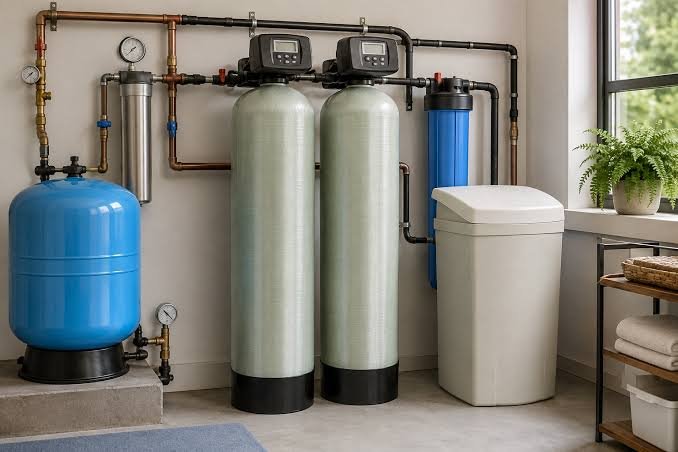
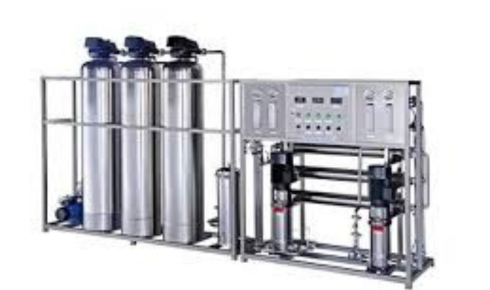
This is where high volume water systems start entering the conversation. Not because they sound impressive, but because they’re designed to handle exactly this kind of growth—steady, reliable output without the system feeling stretched.
It’s Not Just About Quantity
Here’s something that often gets overlooked: more water doesn’t automatically mean better performance.
In fact, increasing volume without addressing quality can create new problems. Equipment might wear down faster. Products may lose consistency. In some cases, operational costs creep up without an obvious reason.
Water, at scale, behaves differently. Small inefficiencies become noticeable. Minor quality issues become recurring frustrations.
That’s why focusing on water quality solutions becomes just as important as meeting volume demands. It’s not enough for the water to flow—it has to be right for what you’re using it for.
Understanding What Your System Really Needs
One of the more interesting challenges businesses face is figuring out what they actually need—not what looks good on paper, not what someone else is using, but what fits their own operations.
A food processing unit, for example, has very different requirements compared to a textile facility. Even two businesses in the same industry might need different setups depending on their scale, source water, and processes.
This is where things shift away from generic approaches. You’re no longer just buying equipment—you’re designing a solution.
Why Off-the-Shelf Doesn’t Always Work
It’s tempting to go with standard systems. They’re easier to understand, often cheaper upfront, and widely available. But as demand grows, those limitations start showing.
You might find yourself adding extra components, adjusting settings constantly, or dealing with inefficiencies that never quite go away.
That’s where custom systems start making more sense. Not because they’re complex, but because they’re built around your specific needs. They consider your water source, usage patterns, and operational goals—all the details that standard setups tend to overlook.
And while they may require more thought upfront, they often simplify things in the long run.
The Often-Ignored Reality of Scaling
Scaling isn’t just about doing more—it’s about doing more without losing control.
When it comes to water, that means maintaining consistent pressure, stable quality, and reliable performance even as demand increases. It’s not always easy. Systems that worked perfectly at one level can struggle at another.
And the tricky part? These issues don’t always show up immediately. They build over time. A slight drop in efficiency here, a bit more maintenance there—it adds up.
Recognizing these patterns early can save a lot of hassle later.
Maintenance Isn’t Optional (Even If It Feels That Way)
Let’s be honest—maintenance rarely feels urgent until something breaks. But with water systems, especially high-demand ones, regular upkeep is what keeps everything running smoothly.
Filters need replacing. Components need checking. Performance needs monitoring.
It’s not glamorous work, and it doesn’t always get attention. But it’s the difference between a system that lasts and one that constantly needs fixing.
A little consistency here goes a long way.
Looking Beyond the Immediate Fix
When businesses start addressing water issues, it’s often in response to a problem. Something isn’t working, so they look for a solution.
But there’s value in thinking a bit further ahead. Not just fixing what’s broken, but improving how things function overall.
Better systems can reduce downtime. They can lower energy usage. They can even improve the quality of what you’re producing, though that benefit isn’t always obvious right away.
It’s less about solving a problem and more about refining a process.
A Final Thought Worth Holding On To
Water might not be the first thing you think about when planning growth or improving operations. It doesn’t have the visibility of new equipment or the excitement of expansion.
But it’s there, quietly supporting everything.
And when it’s working well, you don’t notice it at all—which, in a way, is exactly the point.
Because the best systems, especially the ones handling something as essential as water, aren’t the ones that demand attention. They’re the ones that do their job so well, you almost forget they’re there.